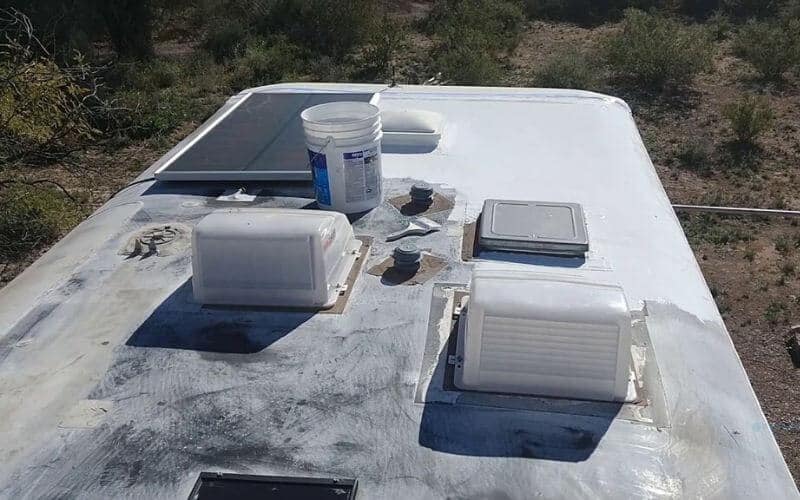
May you like the Finest RV Roofing System Sealant Exhaust vents Obvious fractures Unsealed edges and corners Wirings getting in the roof Antennas Around the exhaust fans and ac system The process is basic. All you need to do is to In this approach, you do not need to utilize a chemical eliminator, however then, it might not use throughout all roof sealants.
You shouldn't disrupt the RV roofing system to prevent a bigger issue, such as harming the other parts of the roofing. In addition, some owners likewise utilize a hair drier in removing a rubber roofing sealant, which is quite practical and simple if you're handling cold weather condition. On the other hand, you can also refer to the product manual that comes with the sealant that you bought.
Some of them recommend using a putty knife that can eliminate the roof sealant. Others can recommend using a heat gun to take it out. You can consider any of these easy methods to get rid of the set and dried sealant, specifically if you need to reapply the sealant or you have slipped up.
Click For Info: how much does it cost to fix a roof https://writeablog.net/carmaid6su/img-class-featurable
It can likewise seal around the edges and corners so that they stay watertight. Utilizing a sealant, you can also keep your Recreational Vehicle cool and dry on any weather. However, you might in some cases need to remove the old rubber roofing system coating since you require to reapply a new one or remedy some application errors.
Elastomeric Commercial Roof Coatings: Types, Applications
With it, you can use a new one to continue reaping its advantages, such as avoiding water damage, conserving money and preventing big repairs. All these can also extend your RV's life expectancy and promote the comfort of everyone aboard your car.
 A Coatings Specialist Explains How To Correctly Apply Roof Coating
( This post might include affiliate links. For more info go to our Personal privacy page.) My Recreational Vehicle roof that requires to be replaced! Invite to my Recreational Vehicle Renovation Series!.?.!! So you desire a Recreational Vehicle but can't afford one. If you resemble me and have more time than cash, then maybe your best alternative is to purchase an old Recreational Vehicle and repair it up.
All old Recreational Vehicle's do! Time to think about an! I know, a RV roof replacement can appear like an impossibly challenging job. I get it. I purchased my Recreational Vehicle over a year back and didn't have the guts to start tackling this task until today. However I'm here to inform you, if I can do it, you can do it.
It has just 55,000 miles and all the appliances work and I like the layout. The catch? Water damage! I've never ever worked on a Recreational Vehicle before and I need to confess, I'm terrified. I have actually done a lot of home renovation and I'm still scared. That's due to the fact that this is all brand-new to me and I have no idea what to expect.
Kool Seal Premium 10 Year Elastomeric Roof Coating
 Everything You Need To Know About Roof Coatings
So my initial step (that I actually did many months ago when I bought the camper) was making a shelter so I could work without rain putting in. I bought a 12 x 26 SuperMax Canopy by ShelterLogic (over $450 on Amazon but I bought mine from Northern Tool for about $340!) and jacked up the legs with wood extensions to make the canopy high enough that I could base on the roofing system and walk below it.
It seems like there are no canopies readily available that are tall enough to work as a Recreational Vehicle carport. You could purchase a real metal roofing RV carport however those are way more pricey, normally $2000 and up! Likewise these don't usually have enough clearance above for you to deal with the roofing.
I calculated the cost of doing it that way (wood framing) and it came out to a similar cost as buying this canopy. I figured I would rather have it semi-portable so I opted for the canopy, plus this allows me to adjust the height up and down when I require to.
Eventually those bent during a wind storm. Then I sawed 1 1/4 square legs from 24's to put inside the canopy legs (again holding the canopy up with pipeline clamps.) and strengthening the four corners with an additional 24 screwed to it. This is still a little floppy. I probably need to have forked out for some stiff steel pipe from the start.
Roof Coating Specialists
Just make certain to stake the corners down with rope if you have any wind! I raised a 12 x 26 canopy to cover my workspace. Time to climb up and take a look at some of the issue locations on my old EPDM roofing. EPDM is the most typical sort of rubber roof discovered on campers.
Cracks in the EPDM roof at edge of camper. An old patch job on the RV rubber roofing. Loads of caulk piled over old problem areas. As you can see, this roof has actually had a great deal of concerns over the years. Looking from the inside of the camper there have plainly been leaks in many locations of the roofing.
I grabbed an utility knife and started slicing. The first thing I saw is that there were two layers. On the bottom is the original EPDM rubber roofing layer. I understand it's EPDM rubber and not TPO rubber because of the black support. (TPO roof is white on both sides.) On top of my EPDM roofing is a thin Recreational Vehicle roofing system finishing that was used later on.
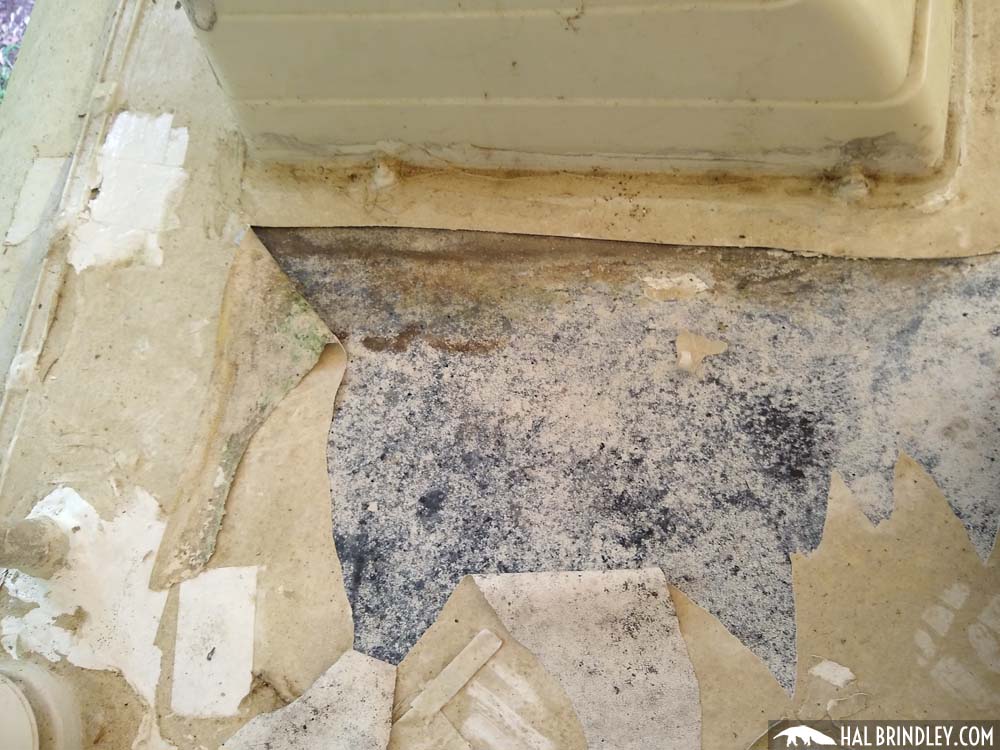
I simply left the roofing system finishing stayed with the EPDM roofing and pulled them up together. (You don't need to peel them up independently.) Beginning to peel roofing coating. Peeling up section of the bottom layer of rubber. This shows that the original RV roofing system was EPDM because of the black backing.
Elastomeric Coatings For Metal Roofs
 Tips For A Better Roof
I cut lines with an energy knife around fixtures. All rubber roof eliminated from camper. This step went pretty quickly. There was an adhesive under the bottom layer of rubber that was still quite well stuck in lots of locations, however with an excellent little bit of force it peeled up easily.